
Top Nutrition Tips for Busy Professionals
In today's fast-paced world, busy professionals often find themselves juggling multiple responsibilities, leaving little time for proper nutrition. With long work hours, tight deadlines, and endless meetings, it can be challenging to maintain a balanced diet. However, prioritizing nutrition is essential for sustaining energy levels, enhancing productivity, and promoting overall well-being. Here are some practical nutrition tips tailored for busy professionals.
Understand Your Nutritional Needs
Before diving into specific tips, it's crucial to understand your unique nutritional needs. Factors such as age, gender, activity level, and health goals play a significant role in determining what your body requires. Here are some general guidelines:
Macronutrients: Aim for a balanced intake of carbohydrates, proteins, and fats. Carbohydrates provide energy, proteins support muscle repair, and healthy fats are essential for brain function.
Micronutrients: Vitamins and minerals are vital for various bodily functions. Ensure you consume a variety of fruits and vegetables to meet these needs.
Hydration: Staying hydrated is often overlooked. Aim for at least 8 cups (64 ounces) of water daily, adjusting based on activity level and climate.
Meal Prep for Success
One of the most effective strategies for busy professionals is meal prepping. By preparing meals in advance, you can save time and ensure you have healthy options readily available. Here are some tips for effective meal prep:
Choose a Day: Dedicate a specific day each week for meal prep. Sundays are popular, but choose a day that works best for you.
Plan Your Meals: Create a menu for the week, including breakfast, lunch, dinner, and snacks. This helps you stay organized and reduces the temptation to grab unhealthy options.
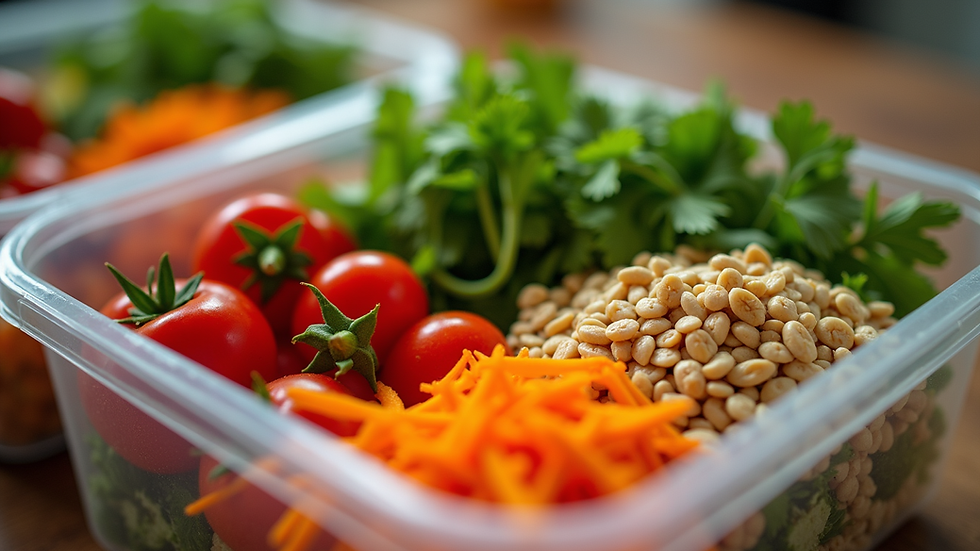
Batch Cooking: Prepare large quantities of staple foods like grains, proteins, and roasted vegetables. Store them in portioned containers for easy access throughout the week.
Use Versatile Ingredients: Choose ingredients that can be used in multiple dishes. For example, grilled chicken can be added to salads, wraps, or grain bowls.
Smart Snacking
When you're busy, it's easy to reach for unhealthy snacks. However, smart snacking can keep your energy levels stable and prevent overeating at meal times. Here are some healthy snack ideas:
Nuts and Seeds: A handful of almonds or pumpkin seeds provides healthy fats and protein.
Greek Yogurt: High in protein and probiotics, Greek yogurt can be paired with fruits or granola for a satisfying snack.
Vegetable Sticks and Hummus: Carrot and cucumber sticks with hummus offer a crunchy, nutritious option.
Fruit: Fresh fruits like apples, bananas, or berries are portable and require no preparation.
Stay Mindful of Portions
Portion control is essential, especially when dining out or eating on the go. Here are some strategies to help you manage portions:
Use Smaller Plates: This simple trick can help you eat less while still feeling satisfied.
Listen to Your Body: Pay attention to hunger cues. Eat slowly and stop when you feel full.
Avoid Eating While Distracted: Try to eat without distractions like your phone or computer. This helps you enjoy your food and recognize when you're full.
Make Healthier Choices When Dining Out
Eating out is often unavoidable for busy professionals. Here are some tips for making healthier choices when dining out:
Review Menus in Advance: If possible, check the menu before arriving to make informed choices.
Choose Grilled Over Fried: Opt for grilled, baked, or steamed options instead of fried foods.
Ask for Modifications: Don’t hesitate to request changes, such as dressing on the side or substituting fries for a salad.
Share Dishes: If dining with colleagues, consider sharing dishes to reduce portion sizes and try a variety of foods.
Incorporate Nutrient-Dense Foods
Focus on incorporating nutrient-dense foods into your diet. These foods provide more nutrients per calorie, helping you feel full and satisfied. Here are some examples:
Leafy Greens: Spinach, kale, and arugula are packed with vitamins and minerals.
Whole Grains: Quinoa, brown rice, and oats are excellent sources of fiber and energy.
Lean Proteins: Chicken, turkey, fish, and legumes provide essential amino acids for muscle repair and energy.
Healthy Fats: Avocados, olive oil, and fatty fish like salmon are beneficial for heart health.
Stay Consistent with Hydration
Hydration is often neglected, but it's crucial for maintaining energy levels and cognitive function. Here are some tips to help you stay hydrated:
Carry a Water Bottle: Keep a reusable water bottle at your desk to remind you to drink throughout the day.
Set Reminders: Use your phone or computer to set reminders to drink water regularly.
Infuse Your Water: If plain water is unappealing, try infusing it with fruits like lemon, cucumber, or berries for added flavor.
Prioritize Breakfast
Breakfast is often referred to as the most important meal of the day, and for good reason. A nutritious breakfast can kickstart your metabolism and provide the energy needed for a busy day. Here are some quick and healthy breakfast ideas:
Overnight Oats: Combine oats, yogurt, and fruits in a jar for a quick grab-and-go option.
Smoothies: Blend fruits, vegetables, and protein powder for a nutrient-packed breakfast.
Egg Muffins: Whisk eggs with vegetables and bake them in muffin tins for a portable breakfast option.
Listen to Your Body
Finally, it's essential to listen to your body and adjust your nutrition as needed. Everyone's nutritional needs are different, and what works for one person may not work for another. Here are some tips for tuning into your body's signals:
Keep a Food Journal: Track what you eat and how it makes you feel. This can help identify patterns and areas for improvement.
Be Flexible: Allow yourself to enjoy treats in moderation. A balanced approach to nutrition is more sustainable than strict dieting.
Consult a Professional: If you're unsure about your nutritional needs, consider consulting a registered dietitian for personalized advice.
Conclusion
Busy professionals can maintain a healthy diet by implementing practical nutrition tips into their daily routines. By understanding your nutritional needs, meal prepping, making smart snack choices, and staying hydrated, you can fuel your body for success. Remember, small changes can lead to significant improvements in your overall health and well-being. Prioritize your nutrition, and you'll find that it pays off in increased energy, productivity, and focus.
Take the first step today by planning your meals for the week ahead and making a commitment to prioritize your health. Your body and mind will thank you!

Comments